Farm Jobs in New Zealand
Verified List of New Zealand Farms Hiring Foreign Workers — Accredited Employer List 2026

New Zealand farms are recruiting international workers across dairy, horticulture, viticulture, and livestock operations — with Accredited Employer Work Visa (AEWV) approvals confirmed and on-farm accommodation provided.
New Zealand agriculture employed 45,000+ migrant workers in 2024-2025, with demand surging 25% year-over-year as the sector battles critical labor shortages across all regions, according to Ministry for Primary Industries workforce data.
Why this matters. For international workers seeking New Zealand employment, farm jobs offer legal work authorization, employer-provided housing, competitive wages above minimum threshold, and potential pathways to permanent residency through sector-specific immigration programs — while farms depend on this labor to sustain New Zealand’s $50 billion primary industries sector.
What’s happening. New Zealand’s new Accredited Employer Work Visa system requires all employers hiring migrant workers to gain government accreditation status first. This creates a verified pool of legitimate farming operations that have demonstrated compliance with employment standards, immigration rules, and worker welfare requirements.
The verified farms:
Dairy Farming (280+ operations)
- Waikato Region:
- Tatua Co-operative Dairy Company — Morrinsville — dairy farm workers, herd managers, calf rearers
- Van Leeuwen Dairy Group — Matamata — milking staff, tractor operators, effluent management
- Gordonton Dairies — Hamilton area — farm assistants, relief milkers, maintenance workers
- Waikato Milking Systems farms — region-wide — dairy assistants, seasonal calving support
- Canterbury:
- Synlait Farms — Canterbury Plains — dairy farm workers, irrigation operators, pasture managers
- Five Rivers Limited Partnership — Ashburton — large-scale dairy operations, assistant farm managers
- Dairy Holdings farms — Mid-Canterbury — milking staff, young stock rearers
- Barrhill Chertsey Irrigation — irrigation scheme farms — dairy workers, fence maintenance
- Taranaki:
- Fonterra supplier farms — region-wide — dairy farm assistants, relief milkers
- Egmont Plains dairy farms — coastal region — milking staff, stock handlers
- Stratford dairy operations — inland farms — dairy workers, machinery operators
- Southland:
- Southern Pastures farms — Southland Plains — dairy assistants, wintering staff
- Edendale dairy operations — Fonterra supply — farm workers, effluent contractors
- Gore Valley dairy farms — Gore district — seasonal workers, permanent staff
Horticulture & Orchard Operations (320+ farms)
- Bay of Plenty (Kiwifruit Belt):
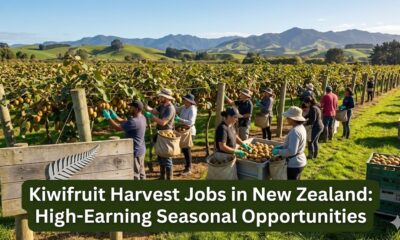
- Seeka Kiwifruit — Te Puke, Katikati — orchard workers, packhouse staff, machinery operators
- Apata Group — Te Puke — kiwifruit pickers, pruners, thinning crews, post-harvest workers
- DMS Progrowers — Bay of Plenty — orchard managers, harvest coordinators, QA supervisors
- Trevelyan’s Kiwifruit — Katikati — seasonal pickers, year-round orchard maintenance
- Eastpack — Te Puke — packhouse workers, graders, coolstore operators
- Satara Co-operative — Te Puke region — orchard assistants, canopy management crews
- Hawke’s Bay (Apples, Stone Fruit):
- Mr Apple — Hastings — apple pickers, packhouse workers, orchard technicians
- Rockit Global — Havelock North — apple orchard workers, specialized picking crews
- LeaderBrand Produce — Gisborne, Hawke’s Bay — vegetable harvesters, field workers
- Bostock New Zealand — Hastings — apple orchard staff, packhouse supervisors
- Taylor Corporation — Hawke’s Bay — stone fruit pickers, thinning crews, pruners
- Nelson/Tasman (Apples, Hops):
- Freshmax — Motueka — apple pickers, packhouse workers, quality control staff
- NZ Hops — Riwaka, Tapawera — hop picking crews, harvest workers, dryer operators
- T&G Global — Nelson region — apple orchard workers, packhouse staff
- Thornley Company — Motueka — orchard workers, irrigation specialists
- Central Otago (Stone Fruit, Cherries):
- 45 South — Cromwell, Roxburgh — cherry pickers, apricot harvesters, packhouse workers
- Jackson Orchards — Roxburgh — stone fruit pickers, orchard maintenance crews
- Summerfruit NZ members — region-wide — seasonal harvest workers, thinning staff
Viticulture/Wine Grapes (180+ vineyards)
- Marlborough:
- Villa Maria Estate — Blenheim — vineyard workers, cellar hands, vintage staff
- Constellation Brands NZ — Marlborough — vineyard laborers, harvest crews, winery assistants
- Yealands Estate — Seddon — sustainable vineyard workers, machinery operators
- Forrest Wines — Renwick — vineyard maintenance, harvest pickers, cellar staff
- Nautilus Estate — Rapaura — seasonal vintage workers, year-round vineyard crew
- Central Otago:
- Felton Road Wines — Bannockburn — vineyard workers, winery cellar hands
- Mt Difficulty Wines — Bannockburn — harvest crews, vineyard maintenance staff
- Gibbston Valley — Queenstown region — vineyard laborers, hospitality staff
- Hawke’s Bay:
- Mission Estate Winery — Taradale — vineyard workers, cellar hands, bottling staff
- Craggy Range Vineyards — Havelock North — viticulture technicians, harvest workers
Vegetable Growing (140+ operations)
- Pukekohe (South Auckland):
- Woodhaven Gardens — Pukekohe — vegetable pickers, field workers, packing shed staff
- Wilcox (NZ) — Pukekohe — onion harvesters, graders, storage workers
- Kakariki Produce — Pukekohe — mixed vegetable workers, harvest crews
- Canterbury:
- Fresh Direct (Vegetables) — Canterbury Plains — field workers, harvest crews, packhouse staff
- Midlands Seed — Methven — vegetable seed production workers
- Barkers Organic Gardens — Lincoln — organic vegetable workers, farm shop staff
- Manawatu:
- Speirs Group — Foxton, Levin — vegetable pickers, packhouse workers, machine operators
- Ohakune Carrot Growers — Ohakune — carrot harvest workers, packing facility staff
Livestock Farming (95+ farms)
- Sheep & Beef Operations:
- Landcorp (Pāmu) farms — nationwide — livestock handlers, shepherds, fencing contractors
- Beef + Lamb NZ member farms — various regions — stock handlers, shearers, farm assistants
- High country stations — South Island — musterers, shepherds, maintenance workers
- Deer Farming:
- Deer Industry NZ farms — Southland, Canterbury — deer handlers, velvet harvesters, farm workers
- Wairere Station — Reporoa — deer farm workers, stock management
- Poultry:
- Tegel Foods — North Island — poultry farm workers, egg collection, barn maintenance
- Mainland Poultry — Canterbury — chicken farm workers, processing support
Aquaculture & Seafood (45+ operations)
- Mussel & Oyster Farms:
- Sanford Aquaculture — Marlborough Sounds — mussel farm workers, harvest crews, processing staff
- Sealord Aquaculture — Coromandel — mussel spat collection, farm maintenance
- Clevedon Coast Oysters — Clevedon — oyster farm workers, shucking staff
- Salmon Farming:
- New Zealand King Salmon — Marlborough — salmon farm workers, feed boat operators, harvest crews
- Southern Ocean Salmon — Stewart Island — aquaculture technicians, maintenance staff
The numbers that matter:
- AEWV wage threshold: NZD $31.61/hour minimum (2026) for most agricultural roles
- Sector agreements: Dairy, meat processing, seafood, horticulture have streamlined processes
- Contract length: 6 months to 3 years depending on role and seasonality
- Accommodation: Employer-provided or arranged, costs deducted from wages (max allowed limits)
- Processing time: 6–10 weeks for employer Job Check + worker visa application
- Return worker rates: 78% of seasonal workers return to same employer
Between the lines. New Zealand eliminated its Recognised Seasonal Employer (RSE) scheme expansion in 2023, folding horticulture and viticulture workers into the standard AEWV system — creating more pathways to longer-term employment and residency but also increasing compliance requirements for employers.
What workers need to know:
Accredited Employer requirements:
All farms must:
- Hold current accreditation from Immigration New Zealand (renewable 12–24 months)
- Pass Job Check for each position (proving genuine vacancy, appropriate wages)
- Provide employment agreements meeting NZ employment law
- Offer accommodation meeting residential tenancy standards
- Demonstrate worker support and pastoral care systems
Visa pathways for farm workers:
Standard AEWV:
- Duration: Up to 3 years initially
- Wage requirement: Minimum $31.61/hour (agricultural roles typically $25–$35/hour with sector agreements)
- Occupation: Any agricultural role (dairy farm assistant, orchard worker, vineyard laborer, etc.)
- Partner rights: Open work visa for partner, school access for children
- Pathway: Can lead to residence after time + meeting other criteria
Sector Agreement Benefits (Dairy, Meat, Seafood):
- Simplified Job Checks: Pre-approved role descriptions, faster processing
- Lower wage thresholds: Sector-specific minimums (often below standard $31.61)
- Defined standards: Industry-agreed employment terms, accommodation standards
- Support systems: Industry-funded pastoral care, worker advocacy
Seasonal roles (Horticulture, Viticulture):
- Contract terms: 3–9 months typically (harvest to post-harvest cycle)
- Wage range: NZD $23–$29/hour (piece rates must average above minimum wage)
- Peak seasons:
- Kiwifruit: March–June (harvest), July–September (pruning)
- Apples: February–May (picking), June–August (pruning)
- Grapes: February–April (vintage), June–August (winter work)
- Returning workers: Priority re-employment with proven employers
Regional wage expectations (2026):
Dairy farming:
- Farm assistant: NZD $26–$30/hour
- Herd manager: NZD $30–$38/hour
- Relief milker: NZD $28–$35/hour
- Assistant farm manager: NZD $55,000–$75,000 salary
Horticulture:
- Orchard worker: NZD $23.50–$27/hour (or piece rates)
- Packhouse staff: NZD $23.50–$26/hour
- Machinery operator: NZD $25–$30/hour
- Orchard supervisor: NZD $28–$35/hour
Viticulture:
- Vineyard laborer: NZD $23.50–$26/hour
- Cellar hand: NZD $24–$28/hour
- Vintage worker: NZD $25–$30/hour
- Vineyard manager: NZD $65,000–$85,000 salary
Livestock farming:
- Shepherd/stock handler: NZD $25–$32/hour
- Shearer (contract): NZD $2.50–$4.50 per sheep (experienced)
- Farm worker: NZD $23.50–$28/hour
- Station hand: NZD $50,000–$65,000 salary package
What’s changing in 2026:
- Median wage increase: Threshold rose from $29.66 to $31.61/hour
- Sector agreement renewals: Dairy, meat processing agreements extended through 2027
- Accommodation enforcement: Immigration NZ conducting unannounced inspections, penalties up to $100,000
- Job Check scrutiny: Increased rejection rates for positions not meeting genuine need tests
- Pastoral care requirements: Mandatory employer support systems, cultural orientation programs
Accommodation standards:
Employer-provided housing must include:
- Weathertight, safe, sanitary facilities meeting Building Code
- Adequate heating, cooking facilities, hot water
- Reasonable privacy (max 2 workers per bedroom typically)
- Internet access for worker communication
- Proximity to essential services (medical, shopping)
Cost deductions allowed:
- Maximum $120/week for single accommodation
- Maximum $170/week for family accommodation
- Must be agreed in employment contract
- Cannot exceed market rental rates for area
What’s included in farm employment:
- Wages: Paid at least fortnightly, itemized payslips required
- Leave: 4 weeks annual leave after 12 months, 11 public holidays, sick leave accrual
- ACC coverage: Accident compensation for work injuries
- Equipment: Employer provides safety gear, work tools, specialized clothing
- Training: Farm safety induction, machinery operation certification, hazard awareness
- Transport: Employer provides or arranges transport to worksite if not within walking distance
The application process:
Step 1: Find accredited employer
- Check Immigration NZ accredited employer register online
- Apply directly to farm or through licensed recruiter
- Verify accreditation status is current (not expired)
Step 2: Employer Job Check
- Employer submits Job Check to Immigration NZ
- Proves genuine vacancy, appropriate wages, recruitment efforts
- Processing: 10–25 working days
- Approval provides Job Check number for worker’s visa application
Step 3: Worker visa application
- Complete AEWV application online with Job Check number
- Provide employment agreement, job offer letter
- Medical certificate (chest X-ray for 6+ month stays)
- Police certificate from all countries lived 12+ months since age 17
- Biometrics appointment at local application center
Step 4: Processing and approval
- Standard processing: 4–8 weeks
- Priority processing: Available for some roles (additional fee)
- Passport submitted for visa label
- Travel arrangements, arrival coordination
Step 5: Arrival in New Zealand
- Employer meets worker, transport to accommodation
- Farm orientation, safety training, IRD number application
- Bank account opening, local registration
- Work commences per contract terms
Critical requirements:
- English language: Generally not required for agricultural roles (sector agreements exempt most positions)
- Health standards: Tuberculosis screening (chest X-ray) for workers from high-risk countries
- Character: Police certificates, declaration of criminal history
- Qualifications: Most farm roles require experience, not formal qualifications
- Age: Generally 18–55 for physical farm work (no strict upper limit if capable)
Red flags to avoid:
- Recruiters charging fees exceeding home country legal limits
- Farms not appearing on Immigration NZ accredited employer list
- Job offers without written employment agreement
- Accommodation descriptions not matching photos/reality
- Promises of wages significantly above sector averages
- Requests for “deposits” or “guarantees” to secure positions
Pathway to permanent residency:
Residence from Work Visa:
- Straight to Residence (Green List): Some senior farm management roles qualify
- Work to Residence: 2+ years in certain agricultural roles → residence application
- Skilled Migrant Category: Currently suspended for new EOIs, pathway uncertain
Sector-specific options:
- SMC reopening: Government signaled potential reopening 2026/2027
- Regional pathways: Some regions developing specific immigration agreements
- Employer sponsorship: Long-term workers may access future residence pathways
What employers look for:
- Dairy: Previous milking experience, early morning reliability, livestock handling skills
- Horticulture: Physical fitness, attention to quality, seasonal commitment, return worker preference
- Viticulture: Wine industry knowledge beneficial, manual dexterity, seasonal flexibility
- Livestock: Stock handling experience, outdoor work tolerance, mechanical aptitude
Regional opportunities:
Waikato (650+ farm employers):
- New Zealand’s dairy heartland: 11,000+ dairy farms
- Year-round employment: milking, calving, drying off cycles
- Support infrastructure: Filipino, Indian, South African communities established
Canterbury (520+ farm employers):
- Mixed farming: dairy, arable, vegetables, viticulture
- Irrigation-based agriculture: reliable year-round work
- Christchurch proximity: urban amenities, international connections
Bay of Plenty (380+ farm employers):
- Kiwifruit capital: intensive seasonal peaks
- Returning worker culture: established accommodation, transport networks
- Tauranga lifestyle: coastal city, subtropical climate
Marlborough (280+ farm employers):
- Wine country: premium vineyard employment
- Seafood aquaculture: mussel farming, salmon operations
- Compact region: easy travel, tight-knit international worker community
Southland (190+ farm employers):
- Dairy expansion zone: new conversions, modern facilities
- Oyster farming: Stewart Island, Bluff operations
- Lower cost of living: affordable accommodation, slower pace
Another wrinkle. New Zealand’s agricultural sector faces increasing environmental regulations (freshwater reforms, nitrogen limits, climate commitments) that may shift labor demand toward environmental management roles, irrigation specialists, and sustainable farming technicians — potentially opening higher-skilled, better-paid positions for experienced migrant workers.
Earnings potential (based on 2025 data):
Seasonal horticulture worker (6-month contract):
- Gross earnings: NZD $18,000–$24,000
- After tax, accommodation, living costs: NZD $10,000–$15,000 savings potential
Year-round dairy farm assistant:
- Gross annual: NZD $54,000–$62,000
- After tax, costs: NZD $35,000–$42,000 net (higher if accommodation provided)
Experienced herd manager:
- Gross annual: NZD $62,000–$79,000
- Often includes farm house, utilities: significant benefit value
Vineyard supervisor (seasonal + off-season):
- Gross annual: NZD $58,000–$68,000
- 8–10 months employment typical, some workers supplement with other seasonal work
What’s unclear:
- Whether SMC residence pathway will reopen with farm-friendly points structure
- How climate policy changes will affect farm labor demand long-term
- If automation (robotic milking, automated picking) will reduce migrant worker needs
- Whether sector wage agreements will track inflation or lag behind
Success stories:
- Ramon, Philippines → Waikato (Dairy worker, 7 years): Started as farm assistant, promoted to herd manager, earned NZD $420,000+, bought house in Philippines, supporting family education, renewed work visa third time, exploring residence options
- Ana, Vanuatu → Bay of Plenty (Kiwifruit worker, 5 seasons): Returns annually March–June, earned NZD $95,000 total over 5 years, funded family business at home, valued employer relationship, guaranteed return position
- Raj, India → Canterbury (Farm manager, 4 years): Agricultural degree recognized, progressed from assistant to assistant manager to manager, NZD $75,000 salary, applied residence through Green List pathway, wife working as teacher, two children in NZ schools
The big picture. New Zealand agriculture cannot meet production targets without migrant workers — domestic workers fill fewer than 10% of available farm positions despite unemployment in other sectors, making international recruitment essential to the country’s $24 billion annual agricultural exports and creating stable employment for thousands of workers from Pacific Islands, Asia, and beyond.
Real worker experiences:
- Physical demands: 10–12 hour days common during peaks, early morning starts (4:30 AM dairy milking), outdoor work in all weather, physically demanding tasks (lifting, bending, repetitive motions)
- Social isolation: Rural locations mean limited social activities, small communities, distance from cities, but strong bonds develop among international worker groups
- Cultural adjustment: Kiwi workplace culture (direct communication, flat hierarchies, humor), adapting to NZ English accents, understanding employment rights, navigating banking/healthcare systems
- Financial goals: Most workers target savings of NZD $10,000–$25,000 per year after costs, sending remittances home, funding family needs, building assets in home countries
Support networks:
- Community organizations: Pacific Island community groups, Indian associations, Filipino networks
- Religious institutions: Churches, temples, mosques providing cultural connection, practical support
- Employer groups: Industry associations offering worker advocacy, mediation services
- Government resources: Settlement services, employment support, rights information in multiple languages
What sets successful workers apart:
✅ Reliability: Showing up on time, completing tasks, minimal sick days
✅ Adaptability: Accepting changing weather, varied tasks, seasonal rhythms
✅ Communication: Asking questions, reporting problems, engaging with team
✅ Work ethic: Taking initiative, maintaining quality, exceeding expectations
✅ Cultural fit: Respecting Kiwi values, integrating with farm team, positive attitude
Bottom line. Farm work in New Zealand offers legal employment, fair wages under regulated conditions, employer support, and potential long-term opportunities — but requires physical capability, adaptability to rural isolation, and realistic expectations that residence pathways remain uncertain as immigration policy evolves heading into potential government changes post-2026.
Verification essential: Only accept positions from employers with current accreditation visible on Immigration New Zealand’s online register — check accreditation status yourself before signing contracts, paying recruiters, or making travel arrangements, as fraudulent “farm job” schemes targeting vulnerable workers persist despite program safeguards and government enforcement efforts.
Access the official register: Visit immigration.govt.nz and search the Accredited Employer database by employer name, region, or industry sector — accreditation can be withdrawn or expire, so verify current status within 2 weeks of accepting any job offer to ensure legitimate employment pathway.