Farm Jobs in Canada
Agriculture & Farm Work Jobs in Canada: Rural Employment and Immigration Opportunities 2026

Canada’s agricultural sector employs over 250,000 workers and faces chronic labor shortages, creating exceptional opportunities for international workers through specialized immigration programs. Farm work offers unique pathways to permanent residency while earning CAD $28,000-$65,000+ depending on role and experience.
Why Agricultural Jobs Lead to Canadian Immigration
Agriculture positions qualify for dedicated immigration streams unavailable to other sectors, including the Agri-Food Immigration Pilot offering direct permanent residency and year-round farm worker programs with pathways to PR after two years employment.
Seasonal Farm Workers: Structured International Programs
The Seasonal Agricultural Worker Program (SAWP) allows workers from participating countries (Mexico, Caribbean nations) to work up to 8 months annually earning CAD $14-$18 hourly. While initially temporary, consistent participation creates eligibility for permanent immigration programs.
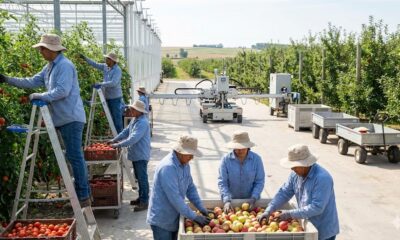
Roles include fruit/vegetable pickers, greenhouse workers, and general farm laborers. Employers provide accommodation (small deduction from wages) and arrange transportation.
Agri-Food Pilot: Direct Path to Permanent Residency
This program allows meat processing workers, farm supervisors, general farm workers, and nursery workers to apply for permanent residency after 12 months employment (non-seasonal or seasonal equivalent).
Eligible Positions and Wages:
- Farm supervisors: CAD $40,000-$60,000
- Specialized livestock workers: CAD $35,000-$50,000
- Meat processing supervisors: CAD $42,000-$58,000
- Harvesting laborers: CAD $28,000-$38,000
Requirements: High school education, Canadian Language Benchmark 4 (basic English/French), job offer from approved employer, 12 months Canadian agricultural work experience.
Processing time: 6-18 months for permanent residency after qualifying employment.
Farm Supervisors and Managers: Leadership Roles
Experienced farm supervisors earn CAD $45,000-$65,000 managing workers, coordinating harvests, and overseeing operations. Crop supervisors, livestock supervisors, and dairy farm managers qualify for Express Entry under managerial NOC codes.
Large agricultural operations in Alberta (grain), Ontario (mixed farming), and Quebec (dairy) actively recruit experienced international farm managers.
Livestock Workers: Cattle, Dairy, Poultry Operations
Cattle ranch workers earn CAD $32,000-$48,000 in Alberta and Saskatchewan. Dairy farm workers in Quebec, Ontario, and BC earn similar wages with year-round employment stability.
Poultry farm workers (chicken, turkey operations) earn CAD $30,000-$45,000 with many operations in Ontario and BC offering employer-sponsored work permits.
Greenhouse and Nursery Workers: Year-Round Indoor Agriculture
Greenhouse workers in BC’s Fraser Valley and Ontario’s Leamington region earn CAD $15-$20 hourly growing vegetables, flowers, and cannabis. These climate-controlled environments provide year-round employment qualifying for Agri-Food Pilot.
Nursery workers propagating trees, shrubs, and ornamental plants earn comparable wages with specialized knowledge of plant care increasing compensation.
Equipment Operators: Agricultural Machinery Specialists
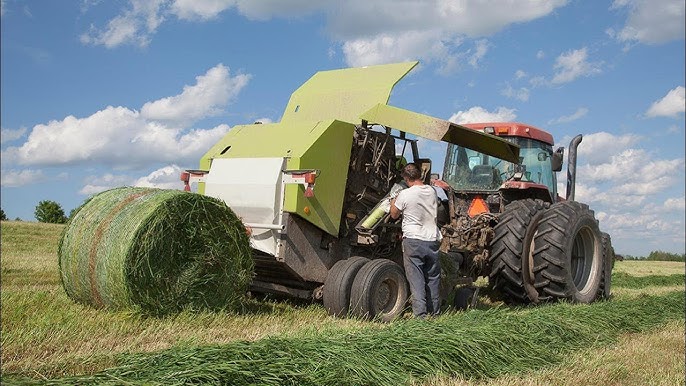
Tractor operators, combine operators, and agricultural equipment mechanics earn CAD $40,000-$60,000. Experience with GPS-guided precision agriculture equipment, modern harvesters, and irrigation systems creates competitive advantages.
Seasonal peaks require intensive work hours (60-80 weekly during harvest) with significant overtime compensation.
Meat Processing and Food Production Workers
Slaughterhouse workers, meat cutters, and food processing line workers earn CAD $30,000-$45,000 in facilities across Alberta (beef), Saskatchewan (pork), and Ontario (poultry). These positions qualify for Agri-Food Immigration Pilot.
Major employers like Cargill, JBS, and Maple Leaf Foods sponsor international workers through LMIA processes, providing accommodation assistance and settlement support.
Harvest Workers: Fruit, Vegetable, Grain Harvesting
Orchard workers in BC (apples, cherries, wine grapes) and Ontario (tender fruits) earn piece-rate or hourly wages averaging CAD $14-$18 hourly. Experienced, efficient pickers earn substantially more through productivity bonuses.
Grain harvest workers operating equipment in prairie provinces during July-October earn CAD $18-$25 hourly with significant overtime opportunities.
Aquaculture and Fishing Industry Workers
Salmon farm workers in BC and Atlantic Canada earn CAD $35,000-$50,000 maintaining net pens, feeding fish, and harvesting. These specialized positions offer year-round employment with immigration advantages.
Shellfish harvesters and processing workers in Atlantic provinces qualify for Atlantic Immigration Program with permanent residency pathways after 12 months employment.
Provincial Agricultural Immigration Advantages
Alberta: Large-scale grain and cattle operations need supervisors and equipment operators. Rural Renewal Stream offers permanent residency for agricultural workers in designated communities.
Saskatchewan: Immigrant Nominee Program prioritizes agricultural occupations with lower points thresholds and faster processing.
Manitoba: Agricultural stream allows direct nomination for farm workers with permanent job offers.
Ontario: Fruit, vegetable, and greenhouse sectors maintain year-round hiring with pathways through Employer Job Offer stream.
British Columbia: Greenhouse, nursery, and livestock sectors qualify for BC PNP with priority processing.
Quebec: Dairy and maple syrup production create unique opportunities with French-language advantages.
Atlantic Provinces: Fishing, aquaculture, and potato farming offer Atlantic Immigration Program access.
Accommodation and Living Arrangements
Many agricultural employers provide on-farm housing with modest deductions from wages (CAD $300-$600 monthly). This significantly reduces living expenses and allows workers to save more of their earnings.
Rural communities offer lower cost of living than cities, though fewer amenities and services. Workers must often rely on employer transportation or personal vehicles.
Seasonal vs. Year-Round Agricultural Employment
Year-round positions (dairy, livestock, greenhouse) provide stable income and qualify for immigration programs faster. Seasonal workers accumulate qualifying time more slowly but can combine multiple seasonal positions to meet requirements.
Agricultural work can be physically demanding with outdoor exposure to weather, early start times (4-5 AM for some roles), and extended hours during peak seasons.
Immigration Pathways Summary
Agri-Food Immigration Pilot: Most direct pathway. 12 months employment + job offer = permanent residency application. No provincial nomination required.
Provincial Nominee Programs: Saskatchewan, Manitoba, Alberta, and Atlantic provinces offer agricultural occupation priority with 6-12 months work experience.
Canadian Experience Class: After 12 months skilled agricultural work (supervisory roles), apply through Express Entry.
Rural and Northern Immigration Pilot: Small agricultural communities participate, offering permanent residency after job offer and community endorsement.
Benefits Beyond Immigration
Agricultural employers typically provide:
- Workers’ compensation insurance
- Basic health coverage during work permit period
- Equipment and safety gear
- On-the-job training
- Opportunities for skill development and advancement
Language Requirements and Cultural Integration
Basic English or French (CLB 4) suffices for most positions—lower than professional occupations. Rural agricultural communities often have existing immigrant populations from similar source countries, easing cultural transition.
Finding Agricultural Employment from Abroad
Job Bank Canada: Government site listing LMIA-approved agricultural positions.
Agricultural Recruitment Agencies: Ferme Québec, FARMS (Foreign Agricultural Resource Management Services), and provincial agriculture associations facilitate international hiring.
Direct Employer Contact: Large agricultural operations maintain websites with international worker application processes.
Financial Considerations and Savings Potential
Despite modest wages, agricultural workers save significantly through:
- Provided accommodation reducing housing costs
- Rural living with lower expenses
- Limited entertainment spending in remote areas
- Overtime and productivity bonuses
Many agricultural workers save 40-60% of gross earnings, enabling family support and building financial foundation for permanent settlement.
Work Permit Processing and Timelines
Agricultural work permits through SAWP process in 4-8 weeks. Other agricultural positions using standard LMIA process take 8-16 weeks. Employers handle most documentation.
Career Advancement and Long-Term Prospects
Entry-level farm workers can advance to supervisory roles, equipment operation, or farm management over 3-5 years, significantly increasing earning potential. Some workers eventually lease or purchase farms, transitioning to business ownership.
Canada’s agricultural sector provides international workers accessible entry to Canadian employment and immigration, offering stable work, rural lifestyle, and reliable pathways to permanent residency for those willing to embrace agricultural careers.